
Beach Colony Del Mar Investment Potential Explained
May 28, 2026
May 28, 2026
If you are considering a second home or investment property in Del Mar, Beach Colony likely stands out for one simple reason: it offers a rare mix of coastal access, compact walkability, and long-term appeal in one of North County’s most recognized beach settings. You may be drawn by the lifestyle first, but the real question is how that lifestyle translates into smart ownership. This guide will help you understand where Beach Colony fits for second-home buyers and investors, what drives demand here, and what details matter most before you buy. Let’s dive in.
Beach Colony, identified in city planning documents as Del Mar’s North Beach neighborhood, has a very different feel from larger-lot coastal enclaves. The area is relatively dense, set on a grid, and defined by narrow streets, small lots, minimal setbacks, and a mix of single-family and multifamily homes.
That physical layout matters because it shapes the ownership experience. In Beach Colony, the appeal often centers on convenience, proximity to the ocean, and a lower-maintenance coastal lifestyle rather than estate-style living. For many buyers, that makes it a natural fit for a seasonal home or a lock-and-leave property.
Del Mar itself adds to that appeal. The city is only about 2.2 square miles with roughly 4,200 residents, yet it attracts more than 2 million visitors each year. It also offers more than 2 miles of sandy beach, along with parks near the shoreline and a village-scale mix of restaurants, retail, and hotels.
Beach use in Del Mar is not limited to a short summer window. The city staffs lifeguards every day of the year, which reflects steady shoreline activity across seasons. That kind of consistent use helps support the idea of a second home that can be enjoyed well beyond peak vacation months.
Summer, however, is clearly the busiest period. On busy beach days, parking can fill by noon, and the city notes that North Beach and Civic Center areas often serve as overflow parking options when the shoreline gets crowded. For owners, that is a practical sign of just how strong peak-season visitation can be.
In Del Mar, seasonality is driven by more than weather. Major recurring events add another layer of demand, especially in summer. In 2026, the San Diego County Fair runs from June 10 through July 5, and Del Mar racing runs from July 17 through September 7.
The city also points to the weekly farmers market and year-round events at the Fairgrounds. Together, these patterns help explain why weekend use, summer occupancy, and second-home demand tend to stay elevated in this part of Del Mar.
For many buyers, Beach Colony is attractive because it offers access to a very specific coastal lifestyle. You are close to the beach, parks, and village amenities in a city with limited size and limited housing supply. That combination tends to support enduring buyer interest, especially among those who value personal use as much as financial performance.
Any investment conversation in Beach Colony has to start with Del Mar’s broader price point. Recent citywide market trackers place Del Mar firmly in the luxury tier. Redfin reported a March 2026 median sale price of $4.3 million, while Realtor.com reported a median listing price of $4.175 million and a median rental listing price of $11,000.
Those are citywide snapshots, not Beach Colony-only figures, but they frame the entry point. In other words, this is not typically a low-cost, high-yield acquisition story. It is a premium coastal market where buyers often prioritize long-term value, scarcity, and personal enjoyment.
Based on the neighborhood’s compact form, high pricing, and current short-term rental limits, Beach Colony is generally better understood as a lifestyle-first market with selective investment upside. That may include appreciation potential and optional personal use, but it is not the same as buying purely for easy vacation-rental income.
This distinction is important. If your goal is steady enjoyment of a coastal property with thoughtful long-term positioning, Beach Colony can make sense. If your plan depends on frictionless short-term rental cash flow, you will need to evaluate the rules very carefully.
The area’s design and housing mix suggest that detached beach homes, condos, and townhome-style properties are often more aligned with Beach Colony ownership than large estate properties. That does not define every listing, but it does affect what many buyers will actually encounter in the market.
It also changes how you should evaluate a purchase. In a compact, high-value neighborhood like this, practical items such as shared walls, HOA terms, parking, storage, maintenance obligations, and rental restrictions can have a meaningful impact on both usability and return.
For investors and second-home buyers, this is one of the most important parts of the discussion. Del Mar’s short-term rental framework is now tightly limited, and those restrictions directly affect how you should model income.
The city states that the Coastal Commission certified the short-term rental ordinance on February 5, 2026. The city also says 150 existing short-term rentals were recognized, the application period for existing owners closed on May 1, 2026, and new permits cannot be issued until there is capacity under the citywide cap of 129.
For new owners, the rules are even more specific. The city says a new short-term rental owner must occupy the unit as a primary residence for at least half of the year and may need to join a waitlist until permit capacity becomes available.
That means you should treat vacation-rental income as conditional, not assumed. A property may still be attractive as a second home or long-term hold, but short-term rental use is not something you can simply count on without confirming permit status and compliance requirements.
If a property is used for transient lodging, Del Mar’s transient occupancy tax also becomes part of the equation. The city says the tax rate is 13% and applies to stays of 30 consecutive days or less. It applies to the full amount charged for the stay and related fees, and owners are responsible for collecting and remitting it through the city’s system.
This is more than a paperwork issue. If you are evaluating any rental strategy, this tax should be included in your projected return from the start. It affects net income and should be built into your pricing and ownership model.
Owning near the coast comes with clear benefits, but it also requires realistic planning. Del Mar’s sea-level-rise program prioritizes beach nourishment and management, river-channel dredging, and flood management. The city also states that planned retreat is not a proposed strategy at this time.
At the same time, the city’s lifeguards warn about strong rip currents and unstable cliffs and bluffs. These conditions do not erase the appeal of coastal ownership, but they do reinforce the need for careful due diligence around location, maintenance, insurance considerations, and long-term resilience.
For many buyers, the right mindset is balance. You are buying into one of the area’s most compelling beach settings, but you should also approach ownership with a clear understanding of coastal conditions and ongoing adaptation.
If you are seriously evaluating Beach Colony as a second home or investment, focus on the details that can shape both enjoyment and performance.
In Beach Colony, small operational details can have outsized importance. A well-located property with manageable upkeep and clear ownership rules may be a much stronger fit than a property that looks good on paper but creates friction in day-to-day use.
Beach Colony tends to make the most sense for buyers who want a coastal property that serves both personal enjoyment and long-term positioning. That could mean a second-home buyer who plans regular use throughout the year, or an investor who values scarcity and appreciation potential more than maximum short-term yield.
It can also appeal to buyers who want a more compact ownership footprint in Del Mar. Because the neighborhood is beach-oriented and relatively dense, it may suit those looking for access and convenience over land size.
The key is aligning the property with your goals. If you want a lifestyle-driven coastal asset in a small, high-demand city, Beach Colony deserves a close look. If your main priority is unrestricted vacation-rental income, this market may require a more cautious approach.
If you are weighing a second home or investment purchase in Del Mar, working with a local advisor can help you separate the lifestyle story from the operating reality. Marilyn Myers offers personalized buyer representation and investor advisory for clients navigating high-value coastal opportunities across North County San Diego.

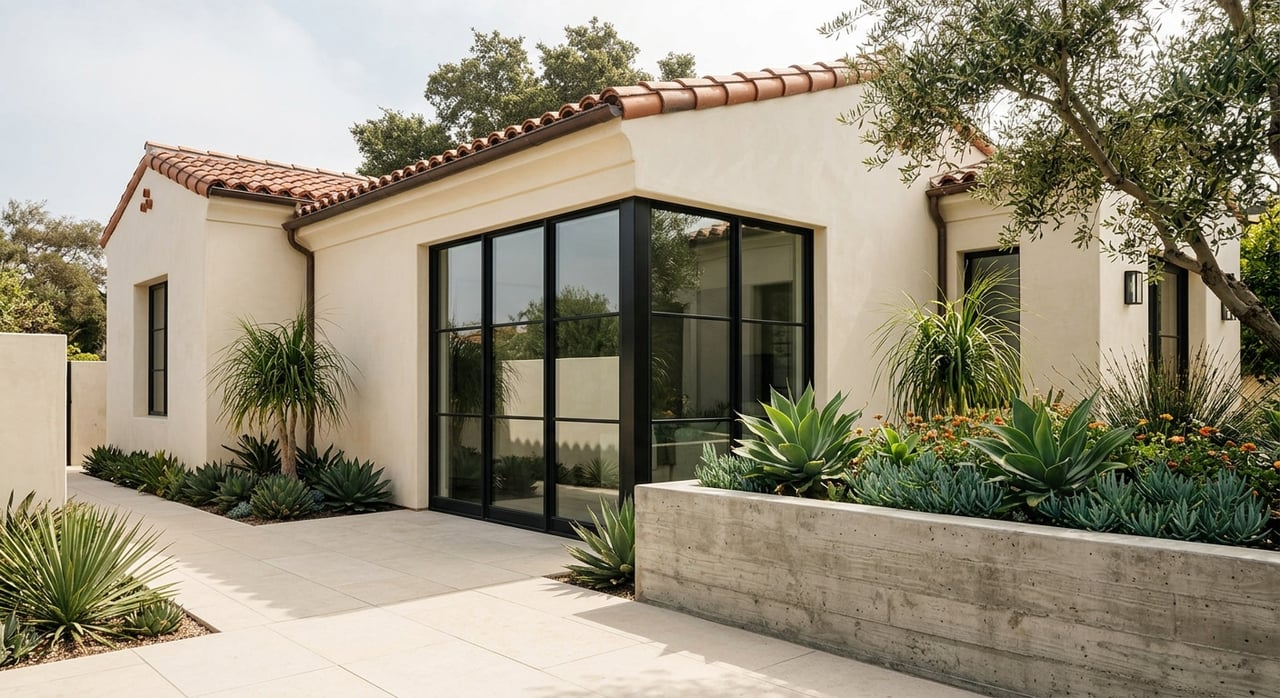
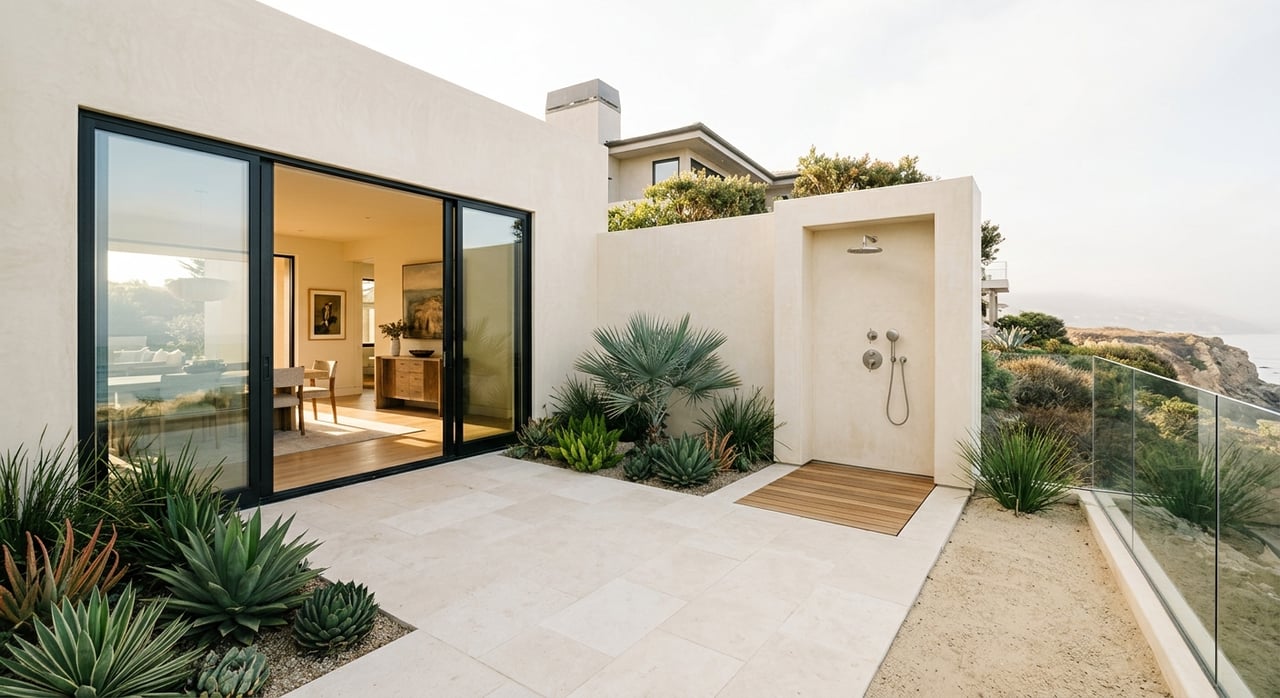
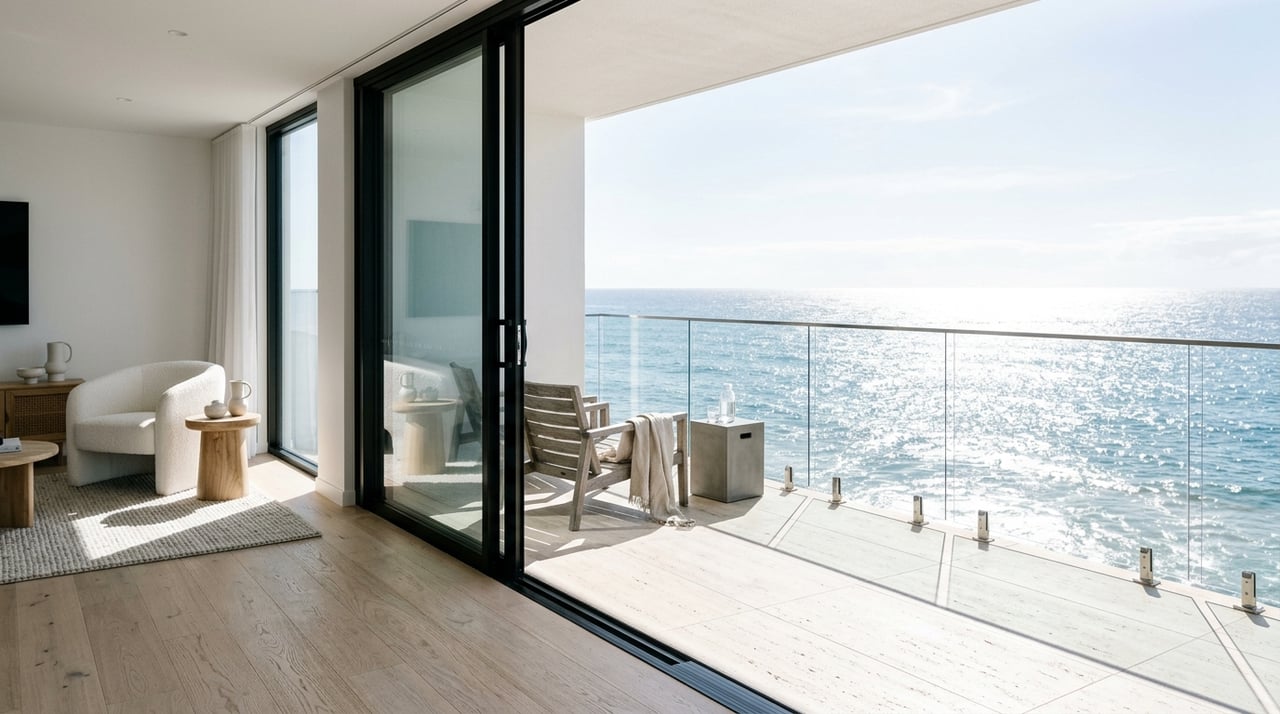
Buying or selling a home is one of life’s most important decisions. Marilyn Myers is here to guide you with expertise, integrity, and care—ensuring every client’s real estate journey is both successful and meaningful.