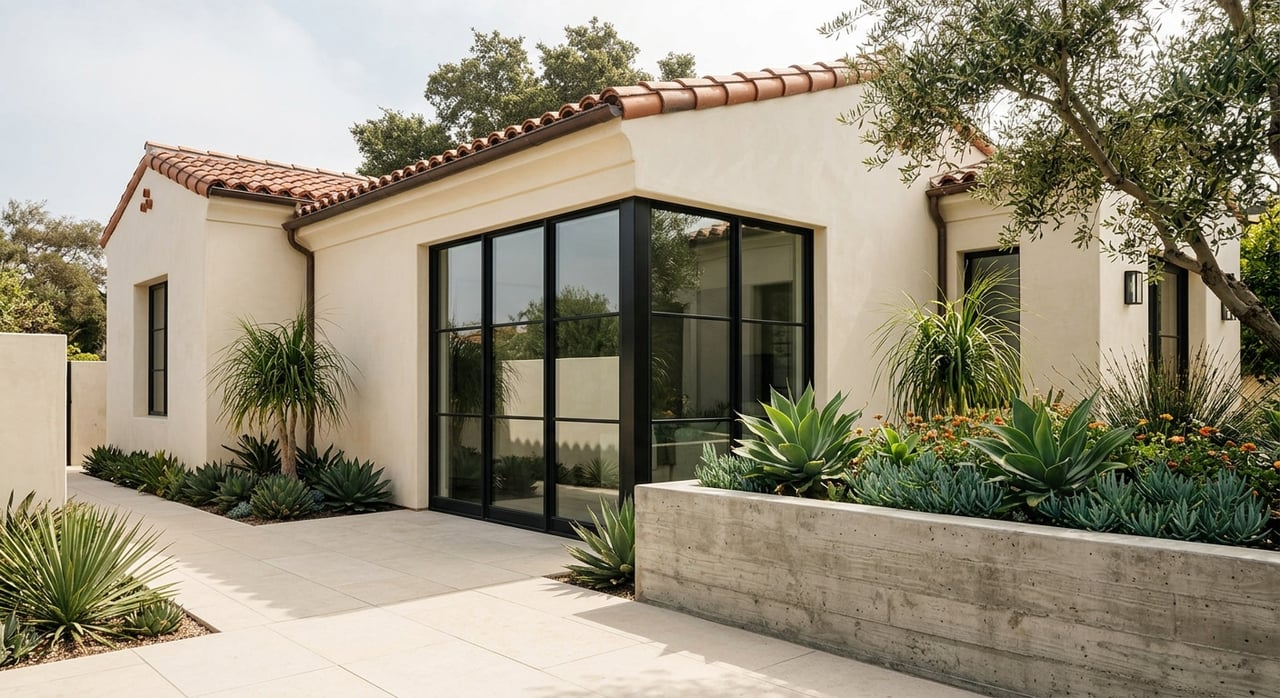
Beach Colony Del Mar Home Prices by Location
May 21, 2026
May 21, 2026
Wondering why two homes just blocks apart in Del Mar’s Beach Colony can trade at dramatically different prices? In this part of Del Mar, location is not a simple neighborhood label. It is a block-by-block story shaped by beach access, orientation, parking, privacy, and coastal risk. If you are buying, selling, or evaluating property here, understanding those details can help you price more accurately and make better decisions. Let’s dive in.
Beach Colony, also known as Del Mar’s North Beach district, is not a uniform neighborhood. The city describes it as a flat, grid-patterned area with narrow streets, small lots, minimal setbacks, and close ocean proximity. As you move farther east, multifamily housing becomes more common, which adds another layer to how values shift across a short distance.
That physical layout is a big reason pricing can change so quickly. In a neighborhood with tight spacing and small parcels, a single block can affect views, privacy, traffic flow, and ease of access to the sand. In Beach Colony, those micro-location details often carry as much weight as square footage.
In many markets, buyers can compare homes by neighborhood first and property features second. In Beach Colony, that order often flips. The exact placement on the grid can influence value more than the broader area name.
The city also treats North Beach as an access-sensitive coastal area. Public parking, loading zones near beach access points, and regular beach traffic all shape how a property feels day to day. That means convenience and congestion can both affect pricing, depending on where a home sits.
Recent sales show a clear pattern: the closer a property is to direct beach frontage, the higher the price tends to be. These are not perfect apples-to-apples comparisons because Beach Colony includes single-family homes, condos, townhomes, and multi-unit properties. Still, the pricing ladder is hard to ignore.
Here is a directional snapshot from recent reported sales:
The spread is striking. As one rough illustration, the $15.1 million oceanfront sale at 2418 Ocean Front is about 5.6 times the $2.7 million sale at 1759 Coast Blvd. These properties are different in type, so this is not a direct comp conclusion, but it clearly shows how much value can move as you go from near the beach to true oceanfront.
In Beach Colony, phrases like oceanfront, one house from the sand, steps to the sand, and four houses from the sand are not just marketing language. They describe different pricing tiers. Buyers are often paying for a measurable difference in access, frontage, and view experience.
Direct beach access and immediate frontage can add millions to a property’s value. Even homes that are very close but not front row may trade at meaningfully lower numbers. That is why broad averages can be misleading in this pocket of Del Mar.
Del Mar faces almost due west, which helps explain why west-facing and southwest-facing rooms, decks, and patios are often highlighted in premium listings. In a coastal market like this, orientation can shape light, sunset exposure, and the daily feel of the home. Those details can influence value in a way that does not always show up in standard data fields.
You can see that in recent sales. The listing for 2418 Ocean Front emphasized its southwest-facing patio, while 205 24th Street called out a west-facing front room with an unobstructed ocean view. In Beach Colony, view corridors and orientation can be just as important as bedroom count.
Not every desirable location feature is about being closer to the water. Street position also matters, especially in a neighborhood with public beach access and seasonal traffic. A home on a quieter stretch may feel very different from one near a loading zone, busy access point, stop sign, or heavily used parking area.
That is one reason similarly sized properties can sell for different prices. The sale at 205 24th Street highlighted distance from stop signs and train tracks, single-neighbor privacy, and multiple parking spaces. Those practical details often carry real pricing power because they affect everyday usability.
Parking is a bigger factor in Beach Colony than many buyers expect. The city maps free parking along portions of Camino Del Mar and Coast Boulevard, and beach access points bring added activity. In a compact coastal grid, off-street parking and garages can make a property more functional and more appealing.
Privacy also matters because lots are small and homes sit close together. A property with fewer immediate neighbors, better separation, or a more protected outdoor area may command stronger pricing than one with a similar interior footprint. In this market, usability is part of value.
Beach Colony pricing is not driven only by lifestyle appeal. Coastal regulation and long-term risk also matter. Del Mar’s floodplain maps reflect coastal wave and flood hazards, and new development in a Special Flood Hazard Area may be subject to permit requirements and may require flood insurance.
The city is also actively monitoring bluff and flood conditions through its sea-level-rise work program. It has made amendments tied to floodway, coastal bluff overlay, and floodplain regulations. For buyers and sellers alike, that means a lot’s regulatory profile can influence value, redevelopment potential, and buyer demand.
At the 92014 ZIP code level, Redfin’s April 2026 snapshot describes the market as a seller’s market, with homes selling about 3% below list price and going pending in around 26 days. That gives useful context, but Beach Colony operates at the top end of that broader market. Looking only at inland Del Mar or wider ZIP code averages can understate how much exact location matters here.
If you are pricing a Beach Colony property, broader Del Mar trends are just the starting point. The more important question is where that home sits within the Beach Colony grid and how its access, exposure, and parcel usability compare with truly similar properties.
If you want a more accurate view of value, start by separating properties into the right buckets. Mixing unlike sales can create a pricing picture that looks precise but is not actually useful. In a micro-market like this, clean comp selection matters.
A practical way to read comps is to break them into categories like these:
You should also look closely at the remarks, not just the headline numbers. In Beach Colony, pricing gaps are often explained by factors such as:
These details often matter as much as beds, baths, and square footage. That is why two homes that look similar on paper may command very different prices in the real world.
If you own in Beach Colony, your pricing story should be built around exact placement and property usability, not just the neighborhood name. A strong pricing strategy should account for how close you are to the sand, what kind of views and light your home captures, how parking works, and how private the property feels. Those are the details buyers notice here.
Presentation matters too, especially in a high-value coastal market. When your property has location advantages, they should be highlighted clearly and strategically. When it has location challenges, the right positioning can still help buyers understand the home’s value in context.
If you are buying in Beach Colony, it helps to look beyond the phrase close to the beach. You want to understand exactly what that means for a given property. Is it direct frontage, one house off, or simply within walking distance? The difference can be substantial in both price and long-term value.
You should also weigh practical issues alongside the lifestyle appeal. Parking, traffic, privacy, orientation, and flood-related considerations may affect how the property lives over time. In a market this nuanced, the smartest decisions come from reading the location closely, not just admiring the address.
In Beach Colony, pricing is shaped less by the neighborhood label itself and more by the exact placement of a home on the grid. The closer a property is to protected ocean access, and the more its views, parking, and privacy are preserved, the stronger its pricing power is likely to be. If you want to understand what those details mean for your property or your purchase, working with a local advisor who knows how to read this micro-market can make a real difference. For personalized guidance on Del Mar and North County coastal real estate, connect with Marilyn Myers.



Buying or selling a home is one of life’s most important decisions. Marilyn Myers is here to guide you with expertise, integrity, and care—ensuring every client’s real estate journey is both successful and meaningful.